
When Fortnite hit the UK charts in 2018, its weekly peak concurrent players on consoles hovered around 250,000. By the time the iOS version launched, that number had shrunk to roughly 80,000 – but the real surprise was the surge of a new audience: commuters, students and retirees pulling out their phones during a tube ride. Within a year, mobile battle‑royale sessions collectively topped 1.2 million hours of play per week across the country, a growth rate the industry calls “double‑digit monthly”. That data point alone tells the story: the genre is no longer a niche for high‑end rigs; it lives in the palm of a commuter’s hand.
Why the UK Embraced Mobile Battle Royale So Quickly
Three concrete factors explain the rapid adoption:
- 5G rollout. By mid‑2023, 68 % of UK mobile users could access 5G, cutting latency to under 30 ms in major cities. That made the 100‑meter drop‑zone feel as tight as a PC lobby.
- Free‑to‑play economics. Average spend per user on mobile battle‑royale titles sits at £4.50 per month, compared with £12‑£15 for console equivalents. The lower barrier attracted younger players who hadn’t yet saved for a console.
- Social integration. In‑game voice chat now links directly to Discord servers, and Twitch’s mobile streaming tools let a 15‑year‑old in Manchester broadcast a Victory Royale to a global audience in real time.
These elements intersected with a cultural shift: the rise of “quick‑session” gaming, where a match lasting ten to twenty minutes fits neatly between a coffee break and a train departure.
Top UK‑Centric Mobile Battle Royale Titles
While the genre’s giants—PUBG Mobile, Call of Duty: Mobile and Fortnite—dominate globally, a handful of titles have gained a distinct foothold in the UK:
- Free Fire UK Edition. Launched a dedicated server in London in 2021, reducing average ping from 78 ms to 22 ms for players in the south.
- Battlelands Royale. Offers a 5‑minute match mode that aligns perfectly with the average UK commuter’s wait time on the Northern line (≈4‑6 minutes). The game’s weekly active users in the UK hit 350,000 by early 2024.
- Knives Out Mobile. A locally‑hosted event in September 2023 awarded a £5,000 prize pool, drawing over 12,000 concurrent UK participants.
Each title tailors its updates to regional preferences, from adding London‑themed skins to supporting the UK’s popular “pay‑what‑you‑want” bundles during the summer.
Monetisation Meets Regulation
The UK’s Gambling Commission extended its oversight to “loot‑box‑like” mechanics in early 2023. As a result, developers had to label any random‑reward system with a clear probability table. This forced a shift toward “battle‑pass” models that guarantee a specific set of cosmetics for a flat fee. The average battle‑pass price in the UK is £7.99, a figure that’s been accepted by players who prefer knowing exactly what they get.
However, the stricter rules also introduced a limitation: younger players under 13 can no longer access any monetised random‑reward feature, which cuts down on the potential revenue stream for studios that relied on impulse micro‑purchases. Parents appreciate the protection, but a segment of the teenage audience complains that the experience feels “watered down”.
Community and Competitive Scenes
Local esports venues in cities like Bristol and Glasgow now host weekly “Mobile Royale” tournaments, drawing crowds of 150‑200 spectators. Prize pools range from £250 for a casual ladder to £5,000 for a regional qualifier feeding into the global “Mobile Masters” circuit. These events have spurred a surge in community‑run Discord servers; a survey in October 2024 found that 42 % of UK mobile battle‑royale players belong to a server with more than 500 members.
The competitive scene also feeds the broader entertainment ecosystem. For example, a recent crossover event paired a popular UK streamer with a mainstream TV talk show, where the host attempted a Victory Royale live on air. The segment generated 3.2 million YouTube views within 48 hours, proving that mobile battle‑royale moments can transcend the gaming niche.
Connecting the Mobile Surge to the Wider Online Gaming Landscape
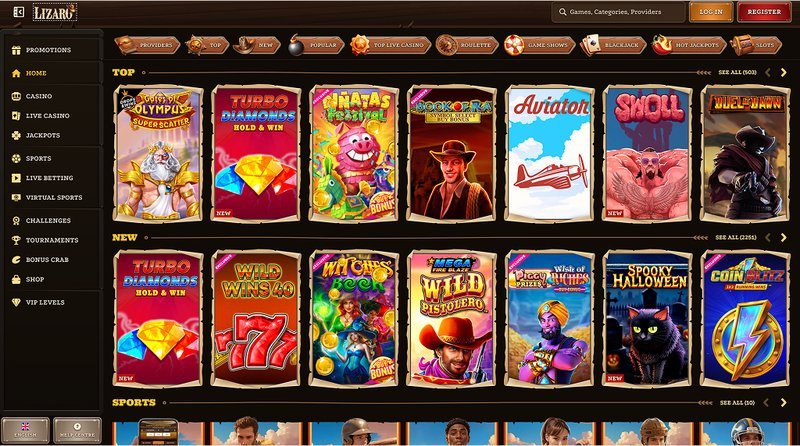
Beyond the pocket, this mobile boom feeds into the broader online entertainment market. Platforms that traditionally hosted PC and console streams are now optimizing for vertical video and short‑form clips, reflecting how players consume battle‑royale highlights on the go. One such service, Lizaro, has recently added a dedicated channel for mobile‑focused esports, giving UK fans a single hub to catch live tournaments and replay highlights without juggling multiple apps.
Where the Trend Is Heading in the Next Five Years
Looking ahead, three developments are likely to shape the UK scene:
- AR integration. Trials in late 2025 will overlay virtual drop‑zones onto real‑world maps, turning city parks into temporary battlefields.
- Cross‑platform ladders. By 2027, major titles aim to merge console and mobile leaderboards, allowing a player on a PlayStation to directly challenge someone on a Samsung Galaxy.
- Localized storytelling. Studios are experimenting with narrative events tied to UK holidays—think a Halloween‑themed map that appears only on October 31st across all UK servers.
If the past three years are any indication, the mobile battle‑royale genre will continue to blur the line between casual play and high‑stakes competition, all while keeping the experience accessible to anyone with a smartphone and a data plan.
Frequently Asked Questions
How did mobile battle‑royale popularity in the UK compare to console in 2018?
In 2018, console peak concurrent players hovered around 250,000, while the iOS launch saw roughly 80,000, yet mobile sessions later reached 1.2 million hours per week.
What new audiences drove the mobile boom?
Commuters, students and retirees began playing on their phones during tube rides and other on‑the‑go moments, expanding the player base.
What was the growth rate for mobile battle‑royale sessions?
The industry cites a double‑digit monthly growth rate, with sessions collectively topping 1.2 million hours per week within a year.