

The Thrill of Uncertainty
One of the primary reasons people are drawn to gambling is the exhilarating unpredictability it offers. The feeling of placing a bet and waiting for the outcome can be intoxicating. This uncertainty fuels the adrenaline rush that gamblers often seek, especially when they explore the best nongamstop casinos uk that offer unique experiences. For many, it’s not just about the potential financial gain but the sheer excitement of the unknown. The anticipation builds as they watch the spin of a wheel or the turn of a card, creating a captivating environment that keeps them coming back for more.
Moreover, this thrill is often compounded by the ambiance of casinos. The flashing lights, energetic sounds, and vibrant crowds create a sensory overload that can heighten emotions. It’s a unique atmosphere where individuals can escape their daily routines and immerse themselves in a world of chance. This environment not only enhances the gambling experience but also makes it socially engaging, drawing people in through both excitement and communal participation.
Furthermore, the allure of uncertainty feeds into the human psychology of risk-taking. Many individuals find themselves captivated by the idea of beating the odds, which can be both a personal challenge and a calculated gamble. This blend of thrill and strategy makes gambling appealing, bringing in casual players and seasoned bettors alike, all seeking to experience that rush in different forms.
The Social Aspect of Gambling
Gambling often transcends the act itself, morphing into a social event where friends and family come together. Whether in a bustling casino or a quiet home game, the collective experience of betting and celebrating wins fosters connections. This social interaction can be a significant draw, as it allows individuals to bond over shared experiences and challenges. Many people view gambling not only as a chance to win but as an opportunity to enjoy time with their peers, thus reinforcing the desire to participate.
The communal aspect of gambling can also be seen in poker games, tournaments, and live betting experiences. In these environments, individuals share the highs and lows of the games, building camaraderie and fostering long-lasting friendships. Additionally, the chance to meet new people in a casino setting can enhance the experience, making it a lively place where socializing and gambling intersect seamlessly.
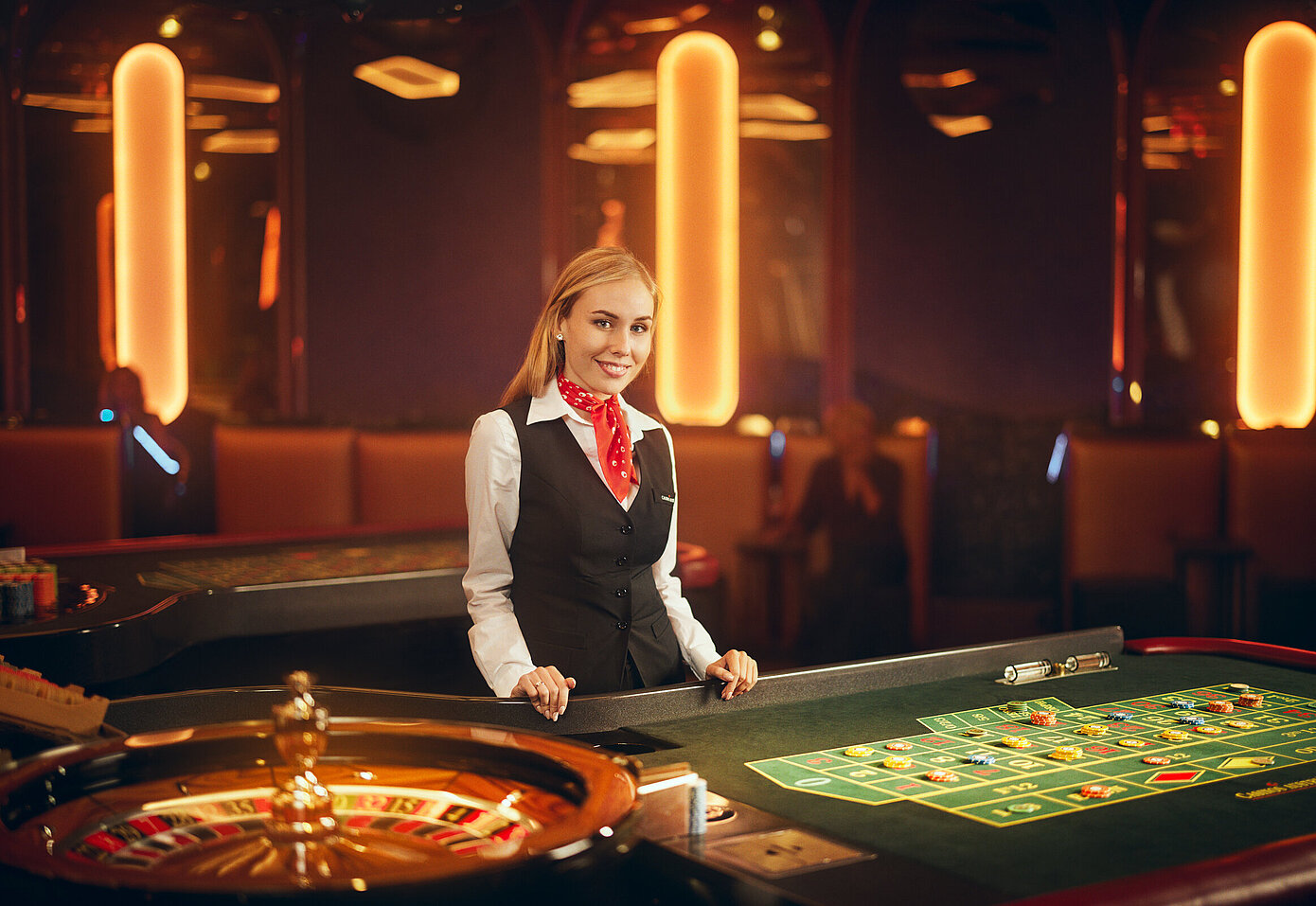
This social dynamic is equally prevalent in online gambling, where virtual platforms create communities. Players engage through chat features and group games, maintaining the same sense of togetherness that physical casinos offer. The human connection embedded in gambling can amplify the allure, encouraging individuals to join in for the fun, making it a shared journey rather than a solitary pursuit.
The Psychological Factors Behind Gambling
Beyond the thrill and social aspects, psychological factors play a crucial role in why individuals gamble. Many gamblers experience what is known as a “gambler’s fallacy,” the belief that past events influence future outcomes. This misconception can often lead people to continue gambling in hopes of recouping losses or riding a winning streak. Understanding these cognitive biases helps to explain why people might chase bets, sometimes leading to a cycle of behavior that is hard to break.
Additionally, gambling can serve as a coping mechanism for various individuals. Stress, anxiety, and even loneliness can drive people to seek solace in the excitement of gambling. The distraction it offers can provide a temporary escape from everyday challenges. In some cases, the act of gambling is less about winning and more about the feelings of empowerment or control it brings amid life’s unpredictability.
Moreover, the concept of reward systems in the brain cannot be overlooked. Winning, even small amounts, triggers a release of dopamine, creating feelings of pleasure and reinforcement. This biochemical response can lead to repeated gambling behavior, as individuals seek to replicate the euphoric experience. Thus, understanding these psychological components reveals a deeper layer of the allure surrounding gambling, shining a light on why many find it hard to resist.
The Influence of Marketing and Design
The design and marketing strategies employed by casinos are meticulously crafted to attract and retain customers. From the moment individuals step into a casino, they are enveloped in an atmosphere that promotes gambling. The layout is strategically designed to draw people in, with slot machines and gaming tables placed in high-traffic areas, emphasizing accessibility and engagement. The absence of clocks and windows perpetuates the illusion of timelessness, encouraging players to stay longer than they intended.

Additionally, promotions, bonuses, and loyalty programs are tailored to attract both new and returning players. These incentives create a sense of value and exclusivity, making people feel special and appreciated. Limited-time offers on games or complimentary drinks heighten the sense of urgency and excitement, further pushing individuals to engage. This clever marketing plays on the psychology of scarcity and reward, enhancing the overall gambling experience.
Furthermore, the use of sensory elements—like sounds that signal wins and the visual appeal of colorful machines—can keep players engaged and motivated. This creates a feedback loop where the environment continuously encourages gambling behavior. Understanding the significant role that marketing and design play in the gambling experience reveals how effectively casinos manipulate perception, making them irresistible to many.
Exploring Responsible Gambling
As the allure of gambling can captivate individuals, it is crucial to address the importance of responsible gambling. With the excitement and thrill that casinos offer, it’s vital for players to remain aware of their limits. Responsible gambling involves understanding when to stop and recognizing the signs of problem gambling. It’s about enjoying the experience without letting it lead to negative consequences in other areas of life.
Many casinos and online platforms are beginning to prioritize responsible gambling initiatives. These initiatives can include self-exclusion programs, deposit limits, and awareness campaigns aimed at educating players about the risks associated with gambling. By promoting a culture of responsibility, the gaming industry can contribute to a healthier gambling environment, ensuring that entertainment does not turn into addiction.
Ultimately, the journey of engaging with casinos should be rooted in enjoyment and moderation. By fostering an awareness of responsible gambling practices, players can continue to experience the thrill and excitement while minimizing potential harms. This balance allows individuals to enjoy all that casinos have to offer while safeguarding their well-being and ensuring that the experience remains a positive one.